
Resources
Our resources are designed to save you time whilst providing the peace of mind that they are written by our expert team and tried and tested in real primary schools.
Our resources are designed to save you time whilst providing the peace of mind that they are written by our expert team and tried and tested in real primary schools.
Assess Spoken Language is a suite of materials designed to support the assessment of children’s spoken language skills. The resource includes:
detailed descriptors of the spoken language typical for each year group
quick glance Assessment for Learning grids
whole class grids for identifying trends and gaps.
It is complementary to the Primary English Progression in Spoken Language resource, and like that document takes the 12 spoken language objectives from the national curriculum and breaks them down into small steps.
This resource is based on the national curriculum and so covers Y1 - Y6.
Starting Points are written to help you plan book-based units of work. In this set based on Arthur and the Golden Rope by Joe Todd-Stanton. you’ll find ideas to support spoken language, reading, writing, grammar, vocabulary and spelling. This Starting Points resource will give you everything you need to plan a beautiful book-based unit of work for children in Year 3 and Year 4.
In this set of Starting Points, you will find planning to support the following grammar objectives:
Word families based on common nouns
Expressing time, place and cause using adverbs and prepositions
Use of the present perfect form of verbs
The use of direct speech
Noun phrases expanded by the addition of modifying adjectives, nouns and preposition phrases
Fronted adverbials
Appropriate choice of noun and pronoun
Use of commas after fronted adverbials.
In this pack you will find the following resources:
Expanded Noun Phrase teaching slides
Expanded Noun Phase activity
Prepositions pack
Word builder activity
Quest story checklist
Starting Points are sets of book-based planning ideas. The books are not included in the packs.
This teaching sequence focuses on the skills of fluency, vocabulary and retrieval whilst also drawing in other skills relevant to the reading aspect of the national curriculum. The teaching sequence covers approximately two and a half weeks of reading sessions with time to allocate additional tasks to children. Discussion points are suggested throughout and where possible answers have been provided to support the teaching. We have indicated key vocabulary that you may want to explore with children before reading, during reading or after the text has been read.
This teaching sequence pack includes:
· Detailed lesson outlines
· Weekly comprehension quick quizzes
· A set of SAT style comprehension questions
· A wordsearch of key words from the text
· Summarising the Story sheet
· Theme Tokens
· A book recommendation sheet
We’ve pitched this planning at children in Year 3.
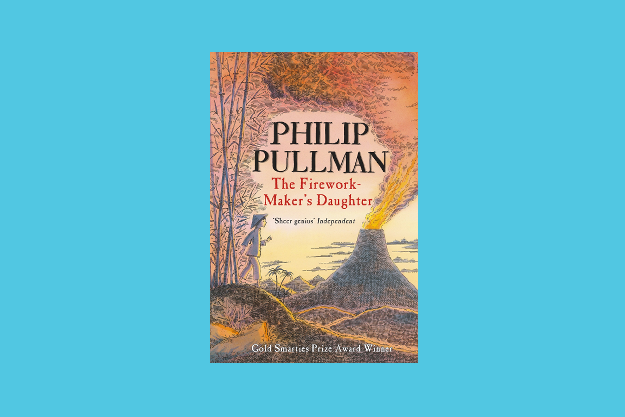
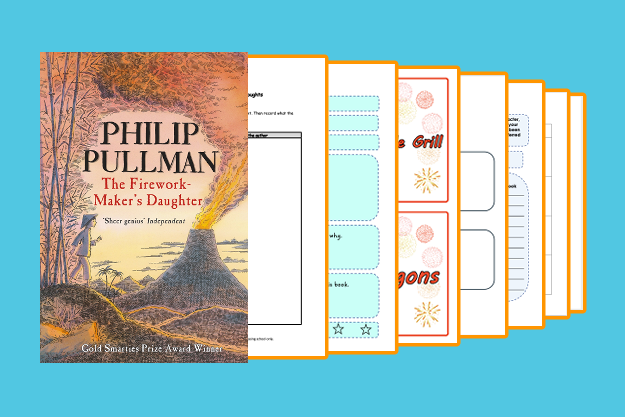
This teaching sequence focuses on the range of reading skills outlined in the national curriculum for children in key stage 2 including inferring meaning from what is stated and implied, understanding the words chosen by an author and how they impact on the effectiveness of a text as well as plentiful opportunities to practise reading fluently. The teaching sequence covers each chapter of the book. Discussion points are suggested throughout and where possible answers have been provided to support the teaching. We have indicated key vocabulary that you may want to explore with children before reading, during reading or after the text has been read.
Contents
This teaching sequence includes:
Detailed lesson outlines
Character name cards
Figurative language grid
Chapter summary sheet
Character Study photocopiable master
My thoughts/Author’s thoughts photocopiable master
Role on the Wall photocopiable master
Book Review photocopiable master
Definition cards (for Chapter 7 vocabulary work)
Place names cards
Fireworks cards (fictional fireworks from the story)
We recommend this pack for use with children across key stage 2.
(Not included in this pack: copies of The Firework-Maker’s Daughter by Philip Pullman)
UPDATED AND IMPROVED
This teaching sequence focuses primarily on the key skills of inference, retrieval and vocabulary. The teaching sequence covers 20 taught sessions with the flexibility to add up to 5 additional sessions if required. Throughout the sequence, you will find extension and support activities, independent reading tasks and a range of creative activities based on the text. Where possible, example answers have been provided to support the teaching and learning.
Contents
A detailed teaching sequence with questions, answers and prompts for daily lessons
A photocopiable Role on the Wall resources
A Zone of Relevance resource
A set of Quick Quiz comprehension questions for each week of the sequence
Not included in this pack copies of Kensuke’s Kingdom ISBN: 978-1405221740
We’ve pitched this planning at children in Year 5 and Year 6.
This teaching sequence focuses primarily on the key skills of inference, retrieval and vocabulary. The teaching sequence covers 20 taught sessions with the flexibility to add up to 5 additional sessions if required. Throughout the sequence, you will find extension and support activities, independent reading tasks and a range of creative activities based on the text. Where possible, example answers have been provided to support the teaching and learning.
Contents
A detailed teaching sequence with questions, answers and prompts for daily lessons
Weekly comprehension quick quizzes with answers
A photocopiable Role on the Wall sheet
We’ve pitched this planning at children in Year 5 and Year 6.
Starting Points are written to help you plan book-based units of work. In this set based on The Rhythm of the Rain by Grahame Baker-Smith you’ll find ideas to support spoken language, reading, writing, grammar, vocabulary and spelling. This Starting Points resource will give you everything you need to plan a beautiful book-based unit of work for children in Year 3 and Year 4.
In this set of Starting Points you will find ideas to support the following grammar objectives:
Revision of present and past tense (present tense)
Perfect form of verbs
Prepositions and adverbials used to indicate where, when and how
Noun phrases for description and specification
Cohesion created through the use of nouns and pronouns
Also included are:
Vocabulary cards
Prepositions and prepositional phrases cards
Homophones cards
A diamante poem example
Starting Points are sets of book-based planning ideas. The books are not included in the packs.
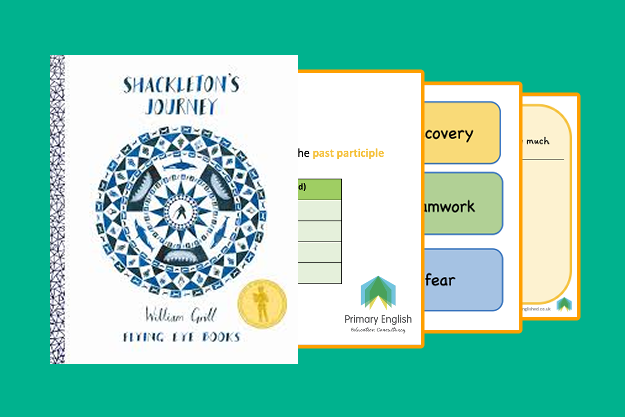
Starting Points are written to help you plan book-based units of work. In this set based on Shackleton’s Journey by William Grill you’ll find ideas to support spoken language, reading, writing, grammar, vocabulary and spelling. This Starting Points resource will give you everything you need to plan a beautiful book-based unit of work for children in Year 5 and Year 6.
In additional to extensive ideas to support reading, this set of Starting Points also includes suggestions to teach the following grammar objectives:
Passive voice including the agentless passive
Indicating degrees of possibility using modal verbs and adverbs of possibility
Use of dashes to mark the boundary between independent clauses
How hyphens can be used to avoid ambiguity
Use of cohesive devices such as repetition of a word or phrase and the effective use of nouns and pronouns
The use of adverbials to build cohesion within paragraphs
The use of the perfect form of verbs
Brackets used for parenthesis
The use of expanded noun phrases to add detail
The use of relative clauses to add further information
The use of adverbials (including fronted adverbials)
The following resources are included in this pack:
Adverbials sorting table
Cut out theme tokens
Passive and agentless passive teaching slides
Role on the Wall sheet
Y5 and Y6 Statutory words
Starting Points are sets of book-based planning ideas. The books are not included in the packs.
This teaching sequence focuses on the skills of predicting and reading with fluency whilst also drawing in other skills relevant to the reading aspect of the national curriculum. The teaching sequence covers approximately three and a half weeks of reading sessions with time to allocate additional tasks to children. Discussion points are suggested throughout and where possible answers have been provided to support the teaching. We have indicated key vocabulary that you may want to explore with children before reading, during reading or after the text has been read.
This teaching sequence pack includes:
· Detailed lesson outlines
· Weekly comprehension Quick Quizzes
· My Thoughts/Author’s Thoughts photocopiable master
· Book Review photocopiable master
· Tell Me graphic organiser
· The Giraffe and the Pelly and Me vocabulary wordsearch
This is a truly creative set of planning that will delight you and your children.
We’ve pitched this planning at children in Year 3 and Year 4.
In this set of Starting Points based on The Owl Who Was Afraid of the Dark by Jill Tomlinson you’ll find ideas to support spoken language, reading, writing, grammar, vocabulary and spelling. This Starting Points resource will give you everything you need to plan a beautiful book-based unit of work for children in KS1.
In this set of Starting Points we have planned for the following grammar learning:
Formation of nouns by compounding
Subordination and co-ordination
Expanded noun phrases for description and specification
How the grammatical patterns in a sentence indicate its function as a statement, question, exclamation or command
Use of capital letters, full stops, question marks and exclamation marks to demarcate sentences
Apostrophes to mark where letters are missing in spelling.
In this pack we have included the following resources:
Apostrophe’s for omission activity
Compound words cards
Conjunctions cards activity
Emotion graph
Factfile paper
Turn up the Volume sheet
Year 2 Common Exception Words cards
Starting Points are sets of book-based planning ideas. The books are not included in the packs.
The Primary English Progression in Spoken Language document has been created to help teachers plan progressive and age-appropriate spoken language experiences for their classes. The document takes the twelve spoken language objectives from the National Curriculum and breaks them down into progressive steps covering Years 1 – 6. Each year group objective is supported by exemplified language examples and classroom practice that are likely to occur in each year group.
In addition to progression across each objective, each year group has its own at a glance page where teachers can see what spoken language looks like in their year group.
The Primary English Progression in Grammar and Punctuation document has been created to give teachers a simple view of the teaching order of grammar and punctuation in KS1 and KS2 by taking the grammar and punctuation objectives from the National Curriculum and presenting them in an easy to view format.
This document includes progression in cohesion and is supported by our Cohesion Roadmap.
Starting Points are written to help you plan book-based units of work. In this set based on Katie Morag Delivers the Mail by Mairi Hedderwick you’ll find ideas to support spoken language, reading, writing, grammar, vocabulary and spelling. This Starting Points resource will give you everything you need to plan a beautiful book-based unit of work for children in KS1.
Grammar and sentence objectives covered in this planning include:
Formation of nouns by compounding
How the grammatical patterns in a sentence indicate its function (questions)
Co-ordination and Subordination
Expanded noun phrases
Correct choice and consistent use of present tense and past tense through writing
Use of capital letters and full stops to demarcate sentences
Apostrophes to mark where letters are missing
Prepositions to indicate direction and location
In this pack, we have included the following resources:
Apostrophes for omission cards
Compound word cards
Conjunctions cards
Emotion graph
Past tense versb activity
Preposition pack
Role on the Wall sheet
Y2 Common Exception words
Starting Points are sets of book-based planning ideas. The books are not included in the packs.
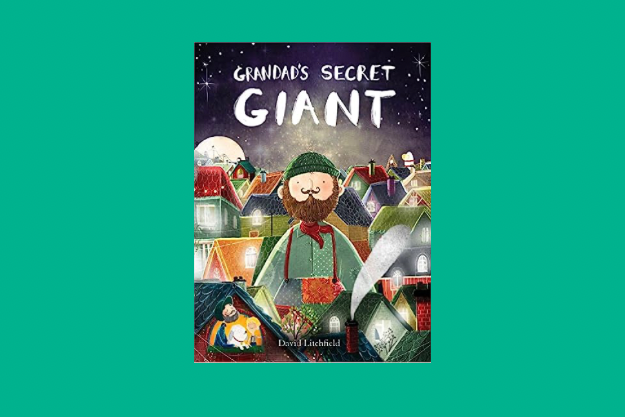
Starting Points are written to help you plan book-based units of work. In this set based on Grandad’s Secret Giant by David Litchfield, you’ll find ideas to support spoken language, reading, writing, grammar, vocabulary and spelling. This Starting Points resource will give you everything you need to plan a beautiful book-based unit of work for children in Year 2.
In this set of Starting Points, you will find planning to support the following grammar objectives:
Year 2
How the grammatical patterns in a sentence indicate its function as a statement, question, exclamation or command
Correct choice and consistent use of present tense and past tense throughout writing
Use of capital letters, full stops, question marks and exclamation marks to demarcate sentences
Apostrophes to mark where letters are missing in spelling.
Starting Points are sets of book-based planning ideas. The books are not included in the packs.
This pack was requested by a Primary English customer. If you’d like us to collate planning ideas for a book you’d like to use, please drop us a line.
Starting Points are written to help you plan book-based units of work. In this set based on Antony and Cleopatra: A Shakespeare Story by Andrew Matthews and Tony Ross, you’ll find ideas to support spoken language, reading, writing, grammar, vocabulary and spelling. This Starting Points resource will give you everything you need to plan a beautiful book-based unit of work for children in Year 3 and Year 4.
In this set of Starting Points, you will find ideas to support the following grammar objectives:
Use of fronted adverbials
Use of paragraphs to organise ideas around a theme
Appropriate choice of pronoun or noun within and across sentences
Write dialogue with correctly punctuated direct speech
Use of commas after fronted adverbials
Starting Points are sets of book-based planning ideas. The books are not included in the packs.
A bundle of easy to use assessment grids for making medium-term assessments of children’s writing in years 1 - 6. The grids take the national curriculum objectives for writing and present them in a manageable and logical format. Displayed in a term by term format, teachers can record children’s attainment at different points of the year. The objectives are broken down into smaller steps to allow children to move from novice to expert levels of knowledge over the year. Example words and phrases are used to clarify the meaning of many of the objectives and key words such as some, begins, many, can, understands and effectively are used to indicate the level of understanding of the children.
Created by our expert team, and trialled in real classrooms, we think you’ll love the Primary English Writing Assessment Grids.
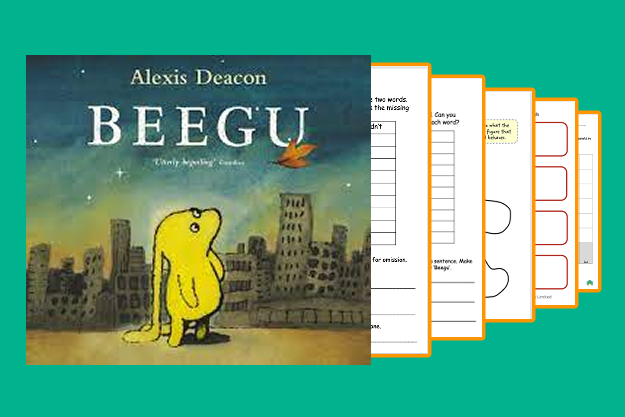
Starting Points are written to help you plan book-based units of work. In this set based on Beegu by Alexis Deacon you’ll find ideas to support spoken language, reading, writing, grammar, vocabulary and spelling. This Starting Points resource will give you everything you need to plan a beautiful book-based unit of work for children in Year 2.
In this set of Starting Points, you will find planning to support the following grammar objectives:
Formation of adjectives using suffixes such as –ful
Use of the suffix –ly in Standard English to turn adjectives into adverbs
Subordination (using when, if, that, because) and co-ordination (using or, and, but)
Correct choice and consistent use of present tense and past tense throughout writing
Use of capital letters, full stops, question marks and exclamation marks to demarcate sentences
Apostrophes to mark where letters are missing in spelling
In this pack we have included the following resources:
Adding -ed resource
Apostrophes for omission resources
Emotion Graph
Home Away Home planing sheet
Subordinate conjunctions activity
Year 2 Common Exception Words
Starting Points are sets of book-based planning ideas. The books are not included in the packs.
About this resource
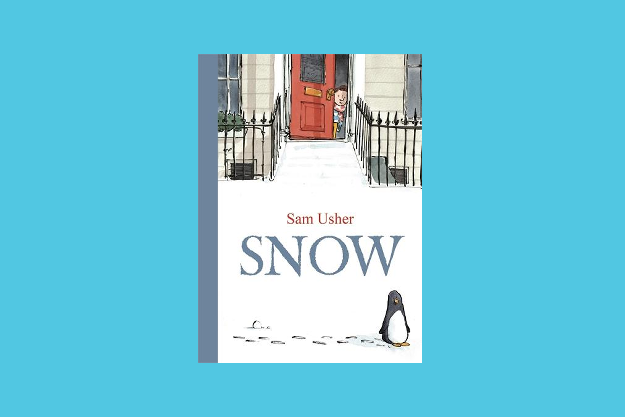
This teaching sequence focuses on sequencing. It is intended that there are sufficient activities in this teaching sequence to engage your children in meaningful learning for one week of guided reading lessons.
This teaching sequence includes:
A guided reading lesson plan in an editable word document format
Winter Images Resource
Sequenced Pictures Resource
A writing template for an independent writing activity
A photocopiable set of comprehension questions for independent or teacher/ TA supported work
A wordsearch suitable for independent work
(Resources not included in this pack: sufficient copies of Snow by Sam Usher for your guided reading group)
We’ve pitched this planning at children in Year 1 and Year 2.
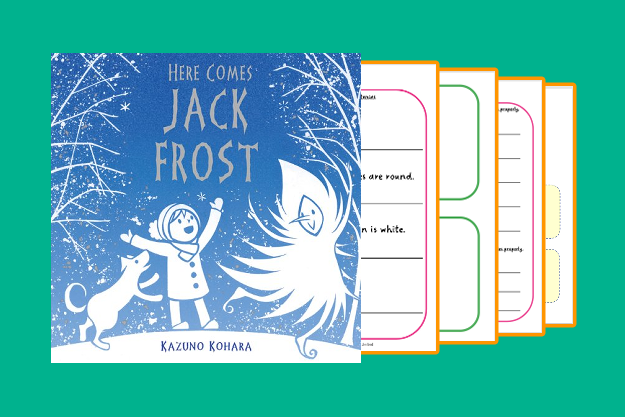
Starting Points are written to help you plan book-based units of work. In this set based on Here Comes Jack Frost by Kazuno Kohara you’ll find ideas to support spoken language, reading, writing, grammar, vocabulary and spelling. This Starting Points resource will give you everything you need to plan a beautiful book-based unit of work for children in Year 1.
In this set of Starting Points we have suggested teaching ideas to support the following grammar learning:
Sequencing sentences to form short narratives
Separation of words with spaces
Introduction to capital letters, full stops, question marks and exclamation marks to demarcate sentences
Joining words and joining clauses using and
Capital letters for names
The following resources are included in this pack:
Joining sentences with and sheet
Capital letters for proper nouns sheet
Compound words cards
Senses boad
Starting Points planning ideas
Starting Points are sets of book-based planning ideas. The books are not included in the packs.
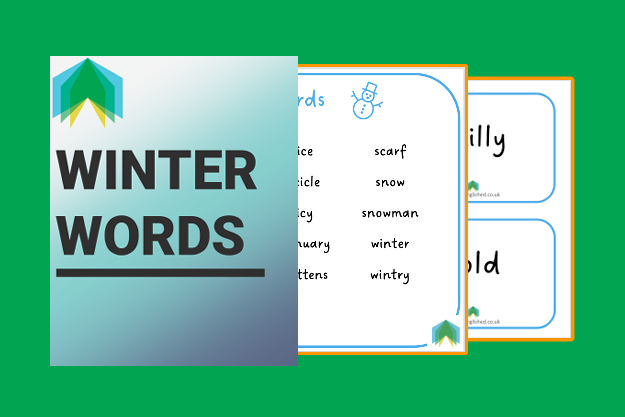
This pack includes:
Winter vocabulary in flashcard format.
Winter vocabulary in word mat format.
About this resource:
This teaching sequence explores Christina Rossetti’s popular Christmas poem. We have planed sufficient activities to engage your children in meaningful learning for three guided reading lessons. It includes independent and supported work to ensure that the needs of all abilities are met.
This teaching sequence includes:
Detailed planning
A copy of In The Bleak Midwinter
An annotated copy of In the Bleak Midwinter to support teaching
Poetic Features cards for children to match features and their definitions
Nativity quiz cards to activate prior knowledge and understanding
Vocabulary cards (with and without definitions)
SAT style comprehension questions
A poetry analysis sheet for responding to the poem
We’ve pitched this planning at children in Year 5 and Year 6. You may also find it works with your Year 4 class.
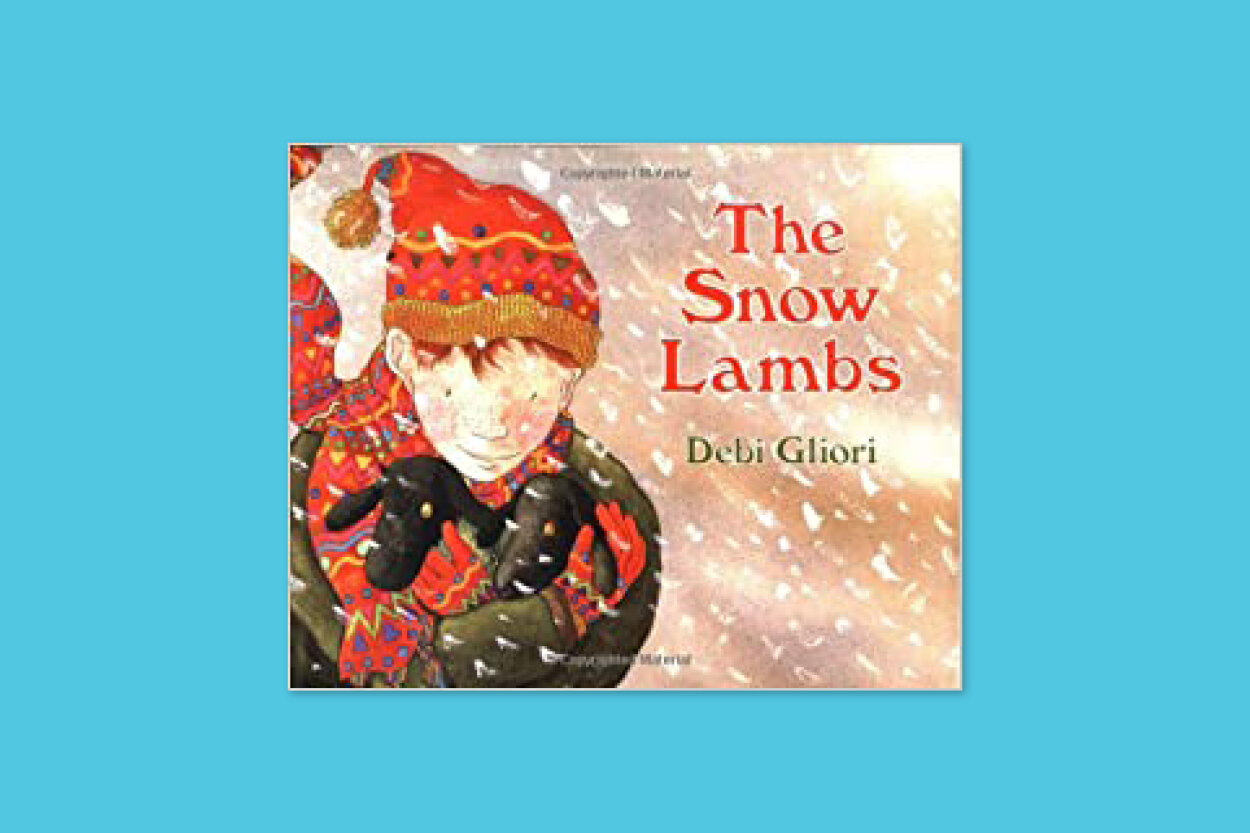
A comprehensive set of guided reading planning for The Snow Lambs. In this planning, we have included:
· A guided reading lesson plan in an editable word document format
· A senses board for use in the guided reading lesson
· A setting description template for children to complete independently
· A photocopiable set of comprehension questions
· A wordsearch suitable for independent work
We’ve pitched this planning at children in Year 1 and Year 2.
This pack includes:
Polar Regions vocabulary in flashcard format.
Polar Regions vocabulary in word mat format.
Spring and Summer and Autumn 2025 book recommendations for the full primary age-range
Take a look at the latest round-up of high-quality books suitable for children across the primary age-range, expertly curated by Joy Court. This edition focuses on Spring, Summer and Autumn 2025 and includes recommended titles for the following categories:
Early Years Foundation Stage
Key Stage 1
Lower Key Stage 2
Upper Key Stage 2
Joy's choices are carefully selected to engage young readers and support their learning across various subjects and themes and to promote reading for pleasure.
You can download this resource FREE of charge to explore Joy's top picks for 2025. Additionally, you may find her previous recommendations essential for continuing your reading for pleasure journey.
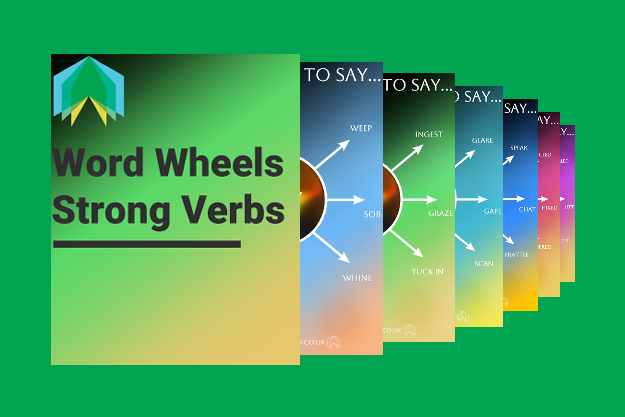
Enhance Vocabulary with our Strong Verbs Word Wheels Poster Pack
Transform your classroom with our eye-catching Strong Verbs Word Wheel pack of posters. Designed to grow children's vocabularies, these attractive posters provide synonyms for common and frequently overused verbs, offering children powerful alternatives.
Each Word Wheel presents synonyms in a visually appealing wheel shape, making them easy to read and eye-catching for young learners. By displaying these posters, you can create an enriching environment that encourages students to explore language and discover new words.
Key Benefits:
Synonyms at a Glance: Each wheel focuses on a specific overused word and its synonyms, providing students with instant alternatives.
Versatile Learning Tool: Ideal for use across the curriculum, the posters can enhance writing tasks and spoken language.
Simple to Use: Easily download, print, and display in your classroom. Our vibrant designs will capture your students' attention.
Elevate your classroom's vocabulary resources today with our Word Wheel packs. Give your students the tools they need to grown their vocabularies.
This pack includes:
Other ways to say cry
Other ways to say eat
Other ways to say look
Other ways to say talk
Other ways to say walked
Other ways to say went.
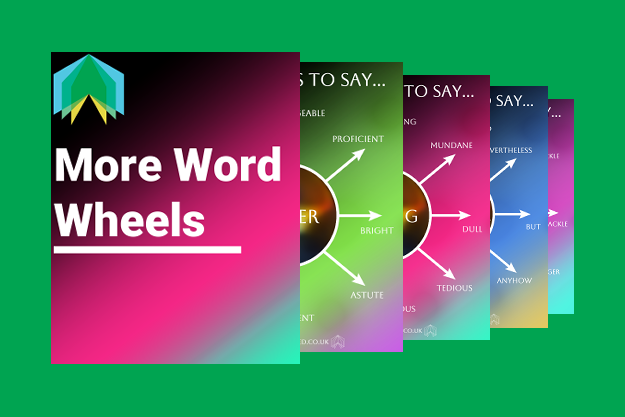
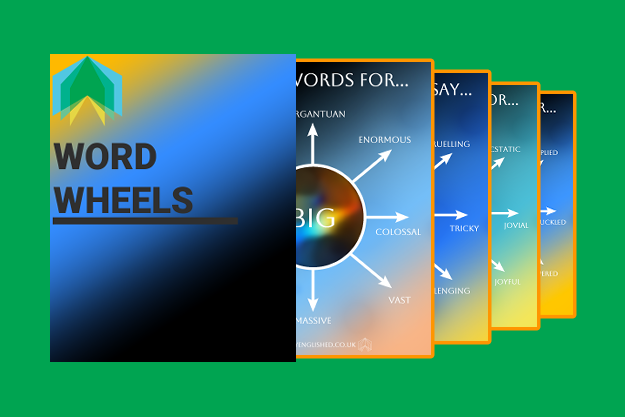
Enhance Vocabulary with Word Wheel Poster Packs
Transform your classroom with our eye-catching Word Wheel pack of posters. Designed to grow children's vocabularies, these attractive posters provide synonyms for common and often overused words, helping students expand their language use in both spoken and written contexts.
Each Word Wheel presents synonyms in a visually appealing wheel shape, making them easy to read and eye-catching for young learners. By displaying these posters, you can create an enriching environment that encourages students to explore language and discover new words.
Key Benefits:
Synonyms at a Glance: Each wheel focuses on a specific overused word and its synonyms, providing students with instant alternatives.
Versatile Learning Tool: Ideal for use across the curriculum, these posters can enhance writing tasks and spoken language exercises.
Simple to Use: Easily download, print, and display in your classroom. The vibrant designs will capture your students' attention and inspire learning.
Elevate your classroom's vocabulary resources today with our Word Wheel packs. Give your students the tools they need to thrive in their language skills!
This pack includes:
Other ways to say big
Other ways to say difficult
Other ways to say happy
Other ways to say said.
About this resource
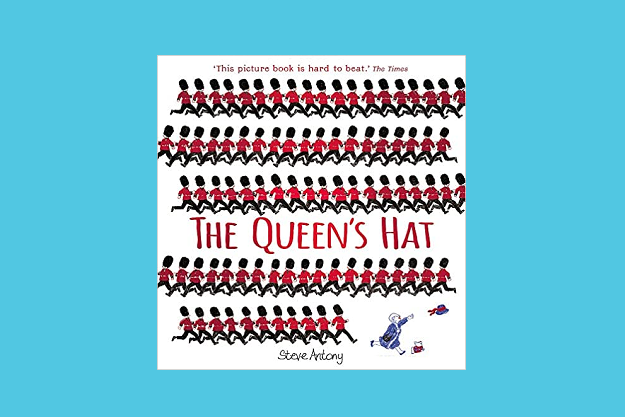
This teaching sequence focuses on the main events of a story and sequencing. The teaching time needed to deliver each component of this teaching sequence is 15 - 20 minutes. It is intended that there are sufficient activities in this teaching sequence to engage your children in meaningful learning for one week of guided reading lessons.
This teaching sequence includes:
A guided reading lesson plan in an editable word document format
A landmark picture resource for sequencing
A linear story map template
A retelling template for the follow-up session
A photocopiable set of comprehension questions for use during the teacher-led session
A photocopiable set of comprehension questions for independent or teacher/ TA supported work
A wordsearch suitable for independent work
(Resources not included in this pack: sufficient copies of The Queen’s Hat for your guided reading group).
We’ve pitched this planning at children in Year 1 and Year 2.
Alphabetical word and phrase mats and classroom displays to support learning of prepositions
Comprehensive planning based on Princess Smartypants by Babette Cole. This teaching sequence includes the following resources:
· A guided reading lesson plan in an editable word document format
· A set of sorting picture cards for use in the guided reading lesson introduction
· A set of matching cards for the children to use in the guided reading lesson
· A photocopiable set of comprehension questions for independent or teacher/ TA supported work
· A wordsearch suitable for independent work
The book is not included in this pack.
We’ve pitched this planning at children in Year 1 and Year 2.
No results match your search. Try removing a few filters.
















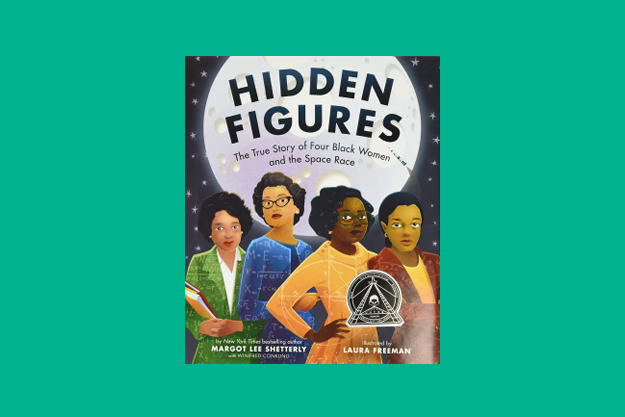



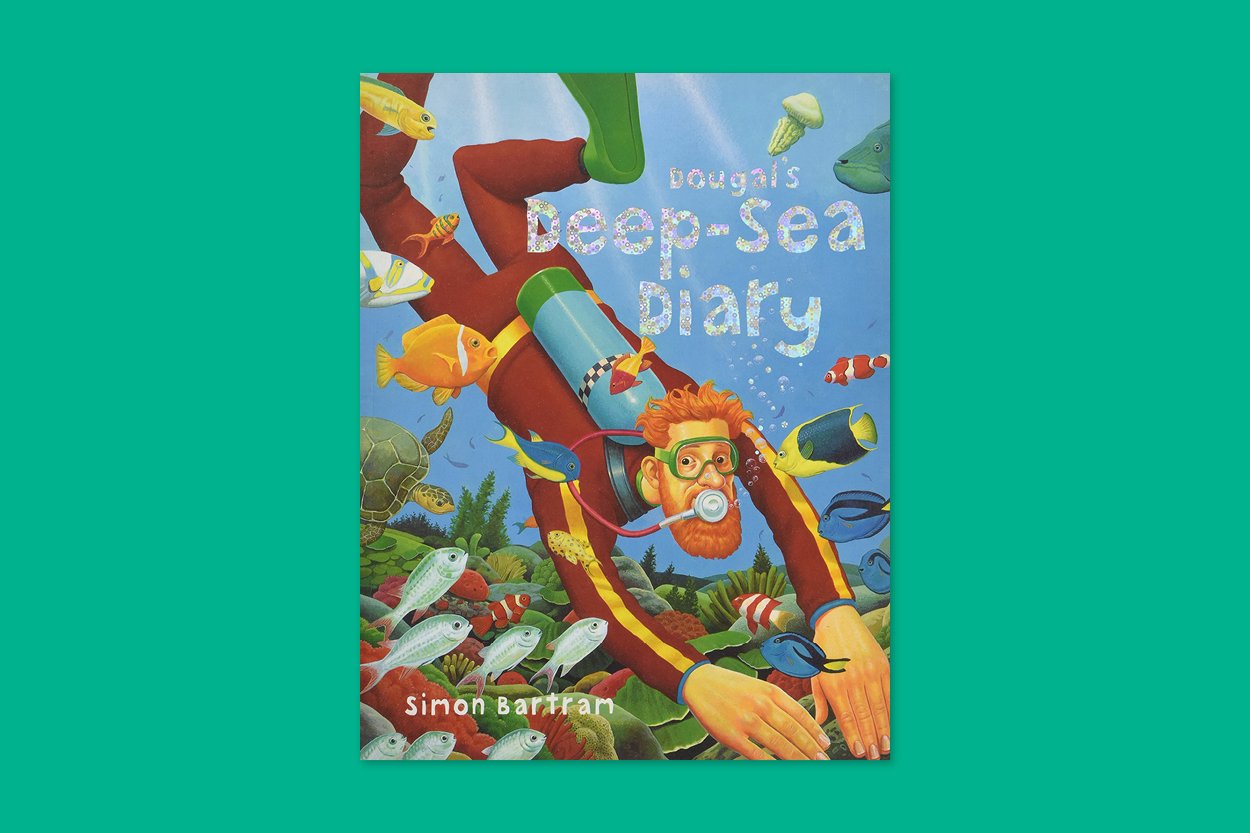






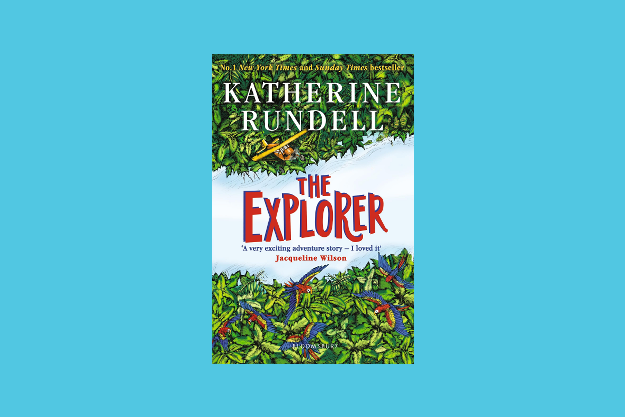























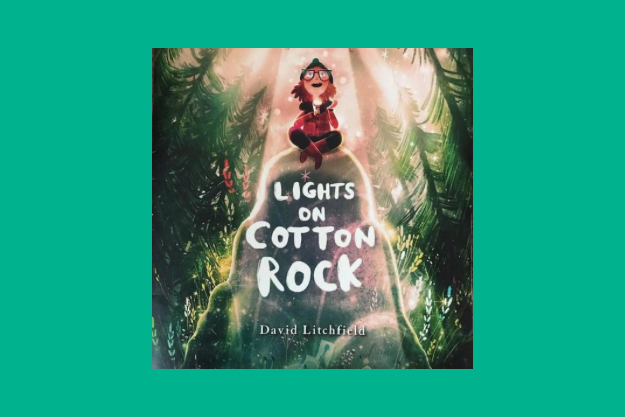




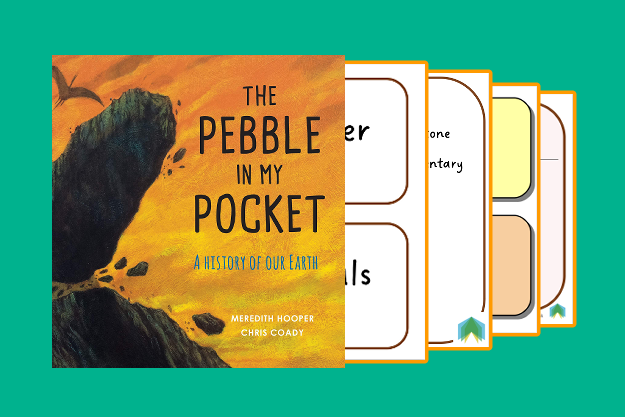








































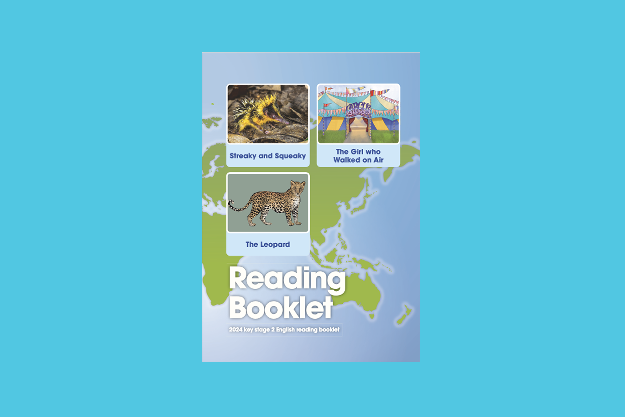































Spring and Summer 2026 book recommendations for the full primary age-range
Take a look at the latest round-up of high-quality books suitable for children across the primary age-range, expertly curated by Joy Court. This edition focuses on Spring 2026 and includes recommended titles for the following categories:
Early Years Foundation Stage
Key Stage 1
Lower Key Stage 2
Upper Key Stage 2
Joy's choices are carefully selected to engage young readers and support their learning across various subjects and themes and to promote reading for pleasure.
You can download this resource FREE of charge to explore Joy's top picks for 2026. Additionally, you may find her previous recommendations essential for continuing your reading for pleasure journey.