
At the time of writing, it’s the second day of Advent. I’m wearing one of my Christmas jumpers (yes, there’s a collection), I’m playing tunes from The Best Christmas Album in the World… Ever! , and I’m wondering if at 9.00 am if it’s too early for a mince pie. I’ve also just dusted off the Primary English Christmas Book collection and thought it might be worth highlighting a few Christmas themed books to share with the children in your class.
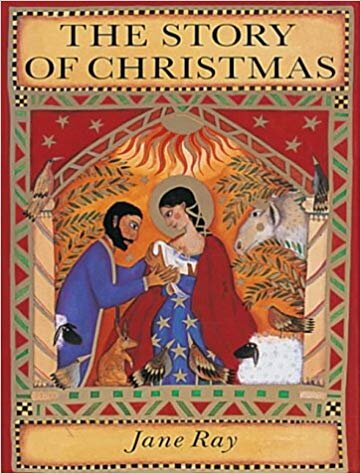
First off is The Story of Christmas by Jane Ray. Whilst not currently in print, there are plentiful copies available from third party sellers on Amazon. This is a beautifully illustrated book which includes text adapted from the King James bible and so provides a most traditional retelling of the Christmas story making it an important addition to your school’s collection of representative literature.
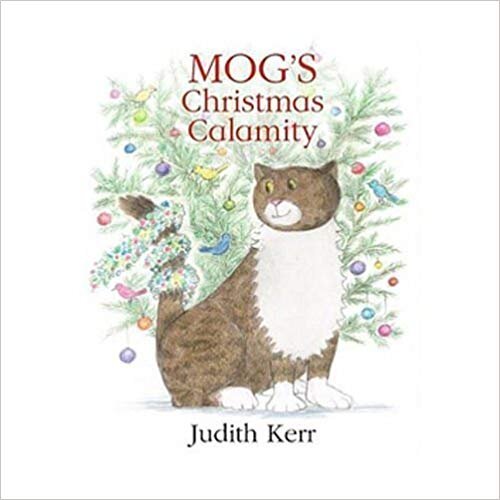
Mog’s Christmas Calamity by Judith Kerr is a perfect for sharing aloud. Jam-packed with hilarity, action and mild peril, it’s also a story that reminds us about the importance of neighbourly goodwill. And who can forget the Sainsbury’s Advert that brought the story to the small screen. We have a Guided Reading Teaching Sequence for Mog’s Christmas Calamity on our resources page. Click on the carousel below to find out more.
Mog’s Christmas Calamity: Sainsbury’s 2015.
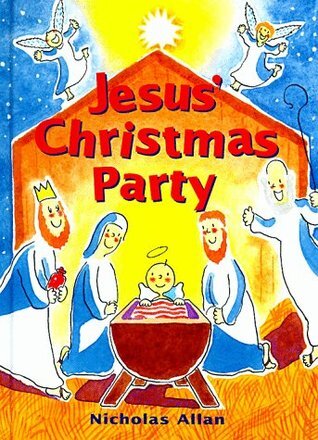
Jesus’ Christmas Party by Nicholas Allen is a must-read-book for storytime in EY and KS1. The sleep-deprived innkeeper is all of us when disturbed from our sleep. And I personally LOVE bringing him to life in my reading aloud. We have added a Whole Class Reading pack for Jesus’ Christmas Party to our resources page for teachers looking for fun guided reading sessions using this modern classic. Just click on the carousel below to find out more.
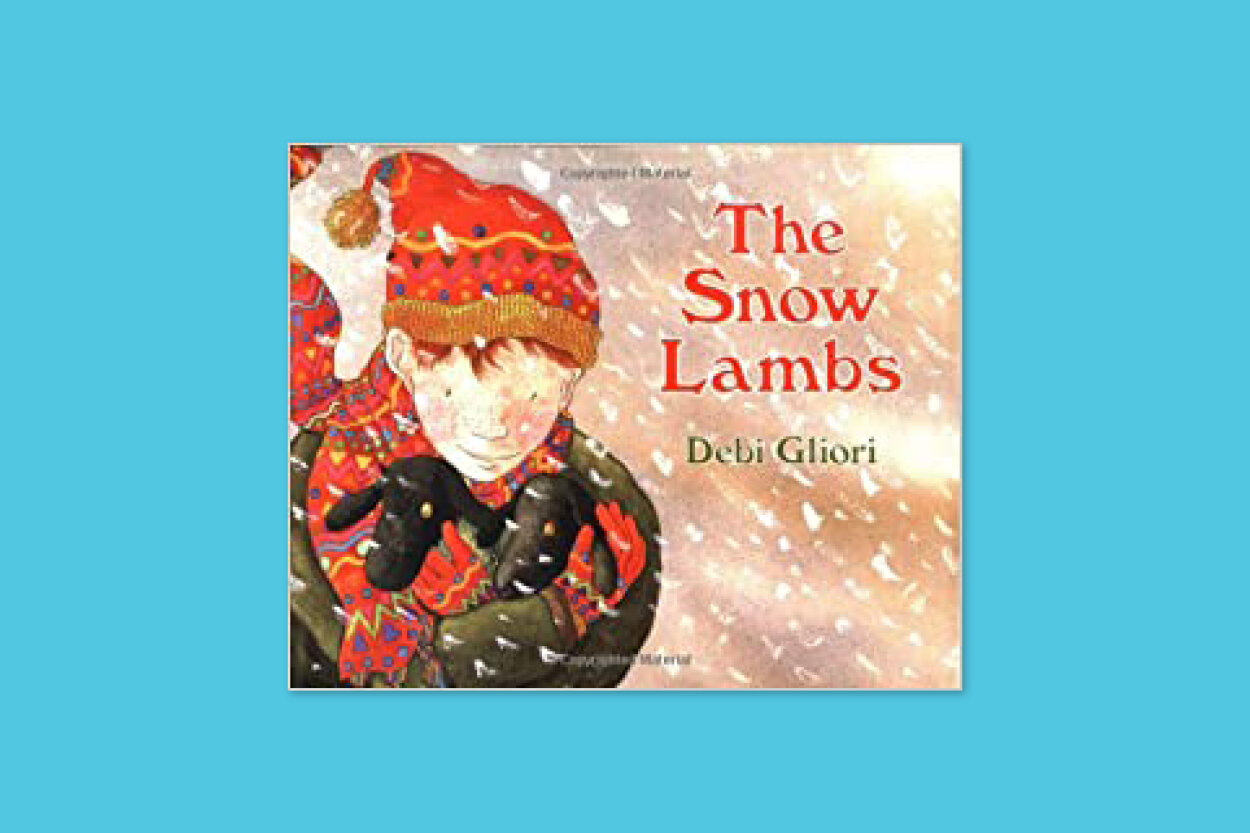
A comprehensive set of guided reading planning for The Snow Lambs. In this planning, we have included:
· A guided reading lesson plan in an editable word document format
· A senses board for use in the guided reading lesson
· A setting description template for children to complete independently
· A photocopiable set of comprehension questions
· A wordsearch suitable for independent work
We’ve pitched this planning at children in Year 1 and Year 2.
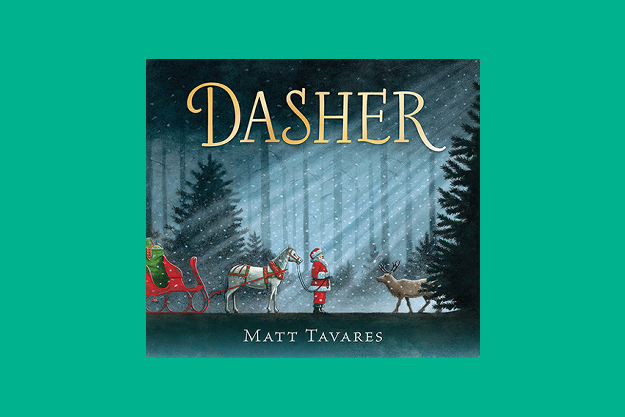
Starting Points are written to help you plan book-based units of work. In this set based on Dasher by Matt Tavares you’ll find ideas to support spoken language, reading, writing, grammar, vocabulary and spelling. This Starting Points resource will give you everything you need to plan a beautiful book-based unit of work for children in KS2. Some of the grammar objectives included in this pack include:
Apostrophes for possession and contraction
Direct speech
Embedded clauses
Expanded noun phrases
Fronted adverbials, including the use of commas after fronted
adverbialsSuffixes
Tense
Vocabulary
Resources included in this pack:
Apostrophe for omission card
Apostrophe for omission sheet
Book recommendation sheet
Direct speech activity sheet
Find the noun phrase activity sheet
Fronted adverbial sentence strips
Patterns of direct speech poster
Spelling wordsearch
Tell Me sheet
Verbs sheet
Vocabulary flashcards and word mat
Starting Points are sets of book-based planning ideas. The books are not included in the packs.

About this resource:
This teaching sequence provides teaching ideas for Jesus’ Christmas Party by Nicholas Allan. We’ve given you two days of detailed ideas plus additional materials which you could use to extend the teaching time further.
This teaching sequence includes:
Detailed planning
Nativity quiz cards
Rate my reading resource sheet
Comprehension questions
Emotion graph for tracking the feelings of the innkeeper
Wordsearch using key vocabulary from the text.
We’ve pitched this planning at children in Year 2. You may also want to use is with children in Year 1 and Year 3.
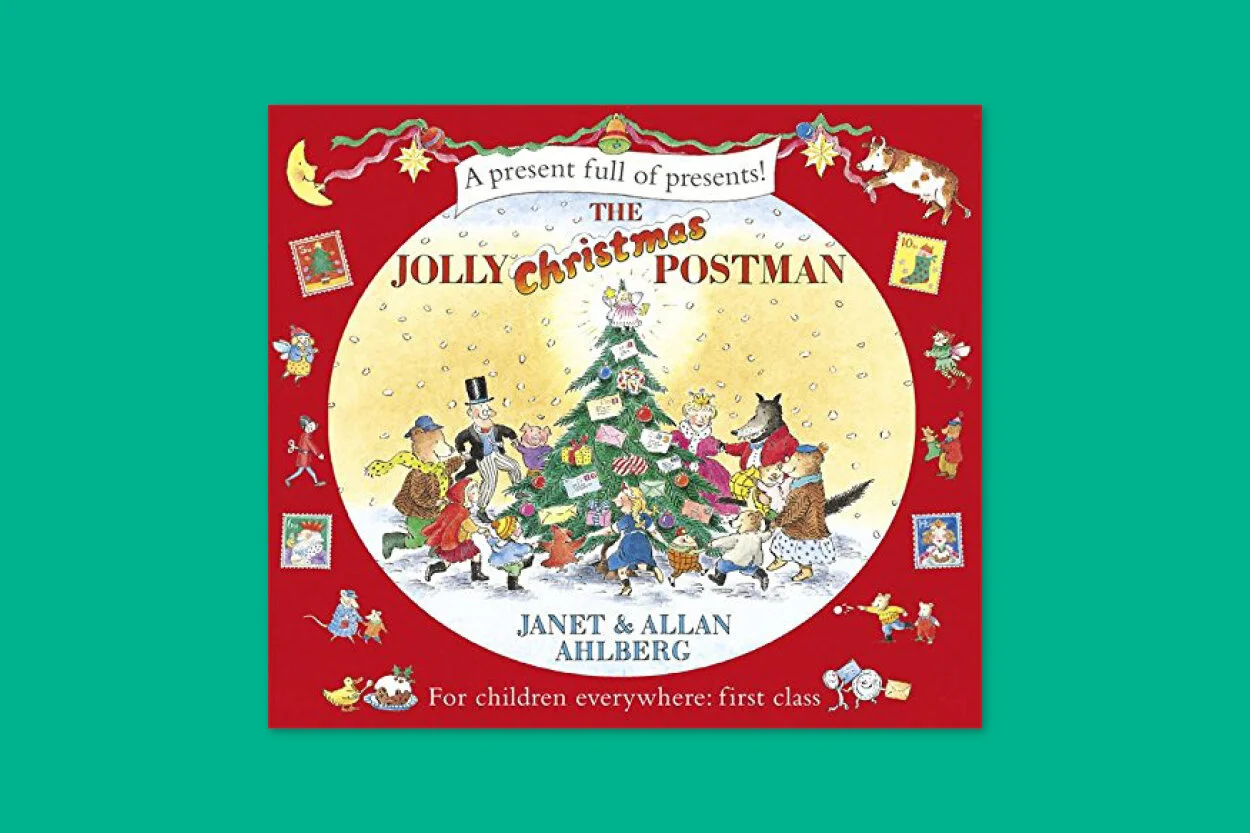
Starting Points are written to help you plan book-based units of work. In this set based on The Jolly Christmas Snowman by Allan Ahlberg, you’ll find ideas to support spoken language, reading, writing, grammar, vocabulary and spelling. This Starting Points resource will give you everything you need to plan a beautiful book-based unit of work for children in KS1.
In this set of Starting Points we have planned for the following grammar learning:
Year 1
Sequencing sentences to form short narratives
Separation of words with spaces
Introduction to capital letters, full stops, question marks and exclamation marks to demarcate sentences
Joining words and joining clauses using and
Capital letters for names and the personal pronoun I.
Year 2
Subordination (using when, if, that, because) and co-ordination (using or, and, but)
Expanded noun phrases for description and specification
How the grammatical patterns in a sentence indicate its function as a statement, question, exclamation or command
Correct choice and consistent use of present tense and past tense throughout writing
Use of capital letters, full stops, question marks and exclamation marks to demarcate sentences.
Commas to separate items in a list
Apostrophes to mark where letters are missing in spelling and to mark singular possession in nouns.
Starting Points are sets of book-based planning ideas. The books are not included in the packs.
About this resource:
This teaching sequence explores Clement Clarke Moore’s famous poem which is often known as ‘TWAS THE NIGHT BEFORE CHRISTMAS. We have planned sufficient activities for three guided reading lessons including independent and supported work to ensure that the needs of all abilities are met.
This teaching sequence includes:
Detailed planning
A copy of A Visit From St Nicholas (‘Twas the Night Before Christmas)
An annotated copy of A Visit From St Nicholas (‘Twas the Night Before Christmas) to support teaching
Vocabulary cards (with and without definitions)
SAT style comprehension questions
Simile of Not Simile sorting cards
Wordsearch of vocabulary from the poem.
We’ve pitched this planning at children in Year 3 and Year 4. It is also suitable for use in Year 5 and Year 6.

Starting Points are written to help you plan book-based units of work. In this set based on The Polar Express by Chris Van Allsburg you’ll find ideas to support spoken language, reading, writing, grammar, vocabulary and spelling. This Starting Points resource will give you everything you need to plan a beautiful book-based unit of work for children in KS2.
Revision of apostrophes used for contraction and possession
Revision of the four sentence types
Use of exclamation marks
Expressing time, place and cause using conjunctions, adverbs, or
prepositionsUse of inverted commas and other punctuation to write direct speech
Noun phrases expanded by modifying adjectives, nouns and
preposition phrasesFronted adverbials, including the use of commas after fronted
adverbialsRelative clauses
Linking ideas across paragraphs using tense choices (use of past & past perfect)
Use of the passive voiceHyphens used to avoid ambiguity
Starting Points are sets of book-based planning ideas. The books are not included in the packs.

Starting Points are written to help you plan book-based units of work. In this set based on The Snowman by Raymond Briggs you’ll find ideas to support spoken language, reading, writing, grammar, vocabulary and spelling. This Starting Points resource will give you everything you need to plan a beautiful book-based unit of work for children in KS1.
In this set of Starting Points, we have planned for the following grammar learning:
Year 1
Sequencing sentences to form short narratives
Separation of words with spaces
Introduction to capital letters, full stops, question marks and exclamation marks to demarcate sentences
Joining words and joining clauses using and
Capital letters for names
Year 2
Subordination and co-ordination
Expanded noun phrases for description and specification
How the grammatical patterns in a sentence indicate its function as a statement, question, exclamation or command
Correct choice and consistent use of present tense and past tense throughout writing
Use of the progressive form of verbs in the past tense to mark actions in progress
Use of capital letters, full stops, question marks and exclamation marks to demarcate sentences.
Starting Points are sets of book-based planning ideas. The books are not included in the packs.
This pack includes:
Christmas vocabulary (non-religious) in flashcard format.
Christmas vocabulary (non-religious) in word mat format.
Christmas (nativity) vocabulary in flashcard format.
Christmas (nativity) vocabulary in word mat format.

Starting Points are written to help you plan book-based units of work. In this set based on Michael Morpurgo’s adaptation of Raymond Briggs’ classic picture book, The Snowman, you’ll find ideas to support spoken language, reading, writing, grammar, vocabulary and spelling. This Starting Points resource will give you everything you need to plan a beautiful book-based unit of work for children in lower KS2.
In this set of Starting Points, we have planned for the following grammar learning:
Year 3
Expressing time, place and cause using conjunctions, adverbs or prepositions
Introduction to paragraphs as a way to group related material
Introduction to inverted commas to punctuate direct speech.
Year 4
Noun phrases expanded by the addition of modifying adjectives, nouns and preposition phrases
Fronted adverbials
Use of paragraphs to organise ideas around a theme
Appropriate choice of pronoun or noun within and across sentences to aid cohesion and avoid repetition
Use of inverted commas and other punctuation to indicate direct speech
Use of commas after fronted adverbials.
Starting Points are sets of book-based planning ideas. The books are not included in the packs.

A comprehensive pack of resources to support the teaching of Mog’s Christmas Calamity. Included in this pack are:
· A guided reading lesson plan in an editable word document format
· A set of statements from the story for children to sequence
· A writing activity to create a list of items to help the Thomas family celebrate Christmas
· A photocopiable set of comprehension questions for independent or teacher/ TA supported work
· A wordsearch suitable for independent work
· An additional guided reading or TA-led session to compare the book with the television advert version of the story.
We’ve pitched this planning at children in Year 2 and Year 3.

Six Christmas themed sheets to develop pencil control and hand eye coordination. Included in this pack you will find:
Christmas jumper
Christmas lights
Reindeer
Snowflakes
Snowman
Christmas stocking
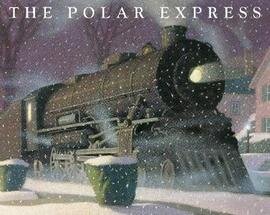
I just know you’ll all be reading it, but I can’t leave The Polar Express out of my review. As with all of Chris Van Allsburg’s work, the illustrations are stunning and a key part of the storytelling. I never tire of returning to this book each year and think it’s an essential addition to every school’s Christmas read aloud collection. We have a set of Starting Points for The Polar Express on our resources page. See the resources carousel above to find out more.
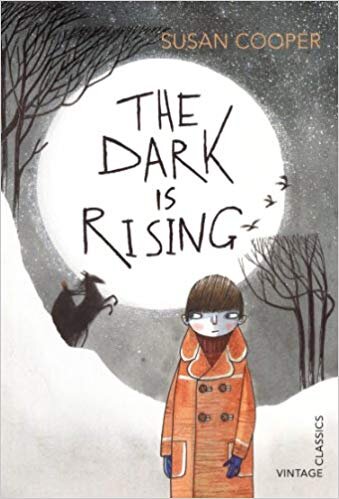
And last but not least, one of the best books I’ve read in my life…ever! The Dark is Rising by Susan Cooper. If you’re looking for a longer book to read to your Year 5 and Year 6 pupils this Christmas, this is the one. Dark, sinister and deeply engaging, The Dark is Rising is the story of one boy’s battle against the darkest of forces awoken by the magic of Yuletide. Available to buy here.
If you liked this post, you may like our Good books to read aloud article.
Other Christmas articles are:

Literary Christmas quotations paired with lights and decorations from the West End of London.

A selection of teaching ideas for The Polar Express to get you and your class feeling Christmassy.

This article combines learning about poetry with a Christmas craft activity and can even be extended to include a quick and attractive classroom display.

On the off-chance that you’re stumped for a writing activity to squeeze into the window between the school carol service and the staff buffet, we’ve collated a few quick and easy Christmas themed writing opportunities.

This article first appeared on the Primary English website on 2nd December, 2019. It was updated on 18th November 2024.
About this resource:
This teaching sequence explores Christina Rossetti’s popular Christmas poem. We have planed sufficient activities to engage your children in meaningful learning for three guided reading lessons. It includes independent and supported work to ensure that the needs of all abilities are met.
This teaching sequence includes:
Detailed planning
A copy of In The Bleak Midwinter
An annotated copy of In the Bleak Midwinter to support teaching
Poetic Features cards for children to match features and their definitions
Nativity quiz cards to activate prior knowledge and understanding
Vocabulary cards (with and without definitions)
SAT style comprehension questions
A poetry analysis sheet for responding to the poem
We’ve pitched this planning at children in Year 5 and Year 6. You may also find it works with your Year 4 class.