
The recent curriculum review and the DfE’s response to it, means that oracy is now high on the educational agenda. It's not that oracy isn't included in the current national curriculum, it is, in the short Spoken Language section. However, it is likely the renewed national curriculum will place far greater emphasis on oracy as a key approach to teaching and learning (time will tell) but in the meantime there are measures we can take to ensure we are ready for the changes to come.
So what is oracy?
At primary English, we like to refer to oracy as learning to talk and learning through talk. These two principles are held dear by most primary practitioners and have been part of their practice whether it be through the terms spoken language, speaking and listening, talk, or more recently oracy. For most schools this means looking at the approaches already used to teach oracy; considering how these progress across the school and considering how well children currently perform as speakers and listeners.
For further support to consider your existing oracy provision and how it progresses across the school, take a look at our article Progression in Spoken Language and our associated resources Progression in Spoken Language and Assess Spoken Language.
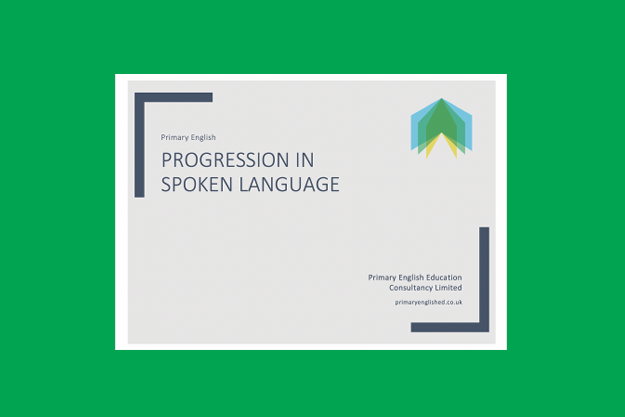
The Primary English Progression in Spoken Language document has been created to help teachers plan progressive and age-appropriate spoken language experiences for their classes. The document takes the twelve spoken language objectives from the National Curriculum and breaks them down into progressive steps covering Years 1 – 6. Each year group objective is supported by exemplified language examples and classroom practice that are likely to occur in each year group.
In addition to progression across each objective, each year group has its own at a glance page where teachers can see what spoken language looks like in their year group.
Taking a look back
As oracy is not a new concept to primary practitioners, it’s worth taking a look back to consider resources and approaches that have been used successfully in the past. The Speaking and Listening Leaflets produced by the National Strategies are one such set of (g)olden resources. They’re not always easy to locate in digital format so we uploaded our copies to the Primary English website and have been delighted to see just how many teachers are taking them to use in their classrooms. If you’d like them, just click below.

Speaking and Listening Leaflets
The National Strategies Speaking and Listening Leaflets all in one place. Wonderful for supporting work on oracy. The leaflets include:
Working in Role
Group Discussion
Listening
Speaking
These leaflets were produced by the National Strategies. They are covered by Crown Copyright and so shared here free of charge.
Discussion building
Discussions are a vital part of oracy education that help children to explore ideas, to justify opinions and to learn from one another. Being able to hold discussions is also a vital life skill that they will use long after they have left the primary school. Discussions don't just happen. Some children dominate and others struggle to contribute. Many need help to express their agreement and to build on one another's ideas but perhaps trickiest of all, is knowing how to disagree in an agreeable manner. Simple classroom scaffolds such as ABC sentence stems can really help children to learn how to agree, build and challenge one another. If you would like to explore these stems, take a look at our ABC Discussion Prompts.
ABC Discussion Prompts
Help your class hold effective classroom discussions with our easy to use ABC discussion questions.
A - Agree
B - Build
C - Challenge
Simply print out and use to improve the quality of discussions in your classroom.
Talking about Talk
As we’ve already noted, the revised national curriculum is likely to put greater emphasis on oracy than at the current time. Consequently, practitioners are also likely to need a more detailed grasp of the terminology associated with talk; not just for planning talk into their lessons but also in discussing pupils and their oracy aptitudes.
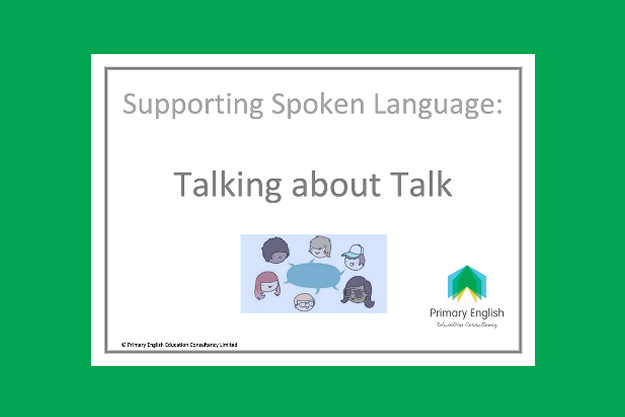
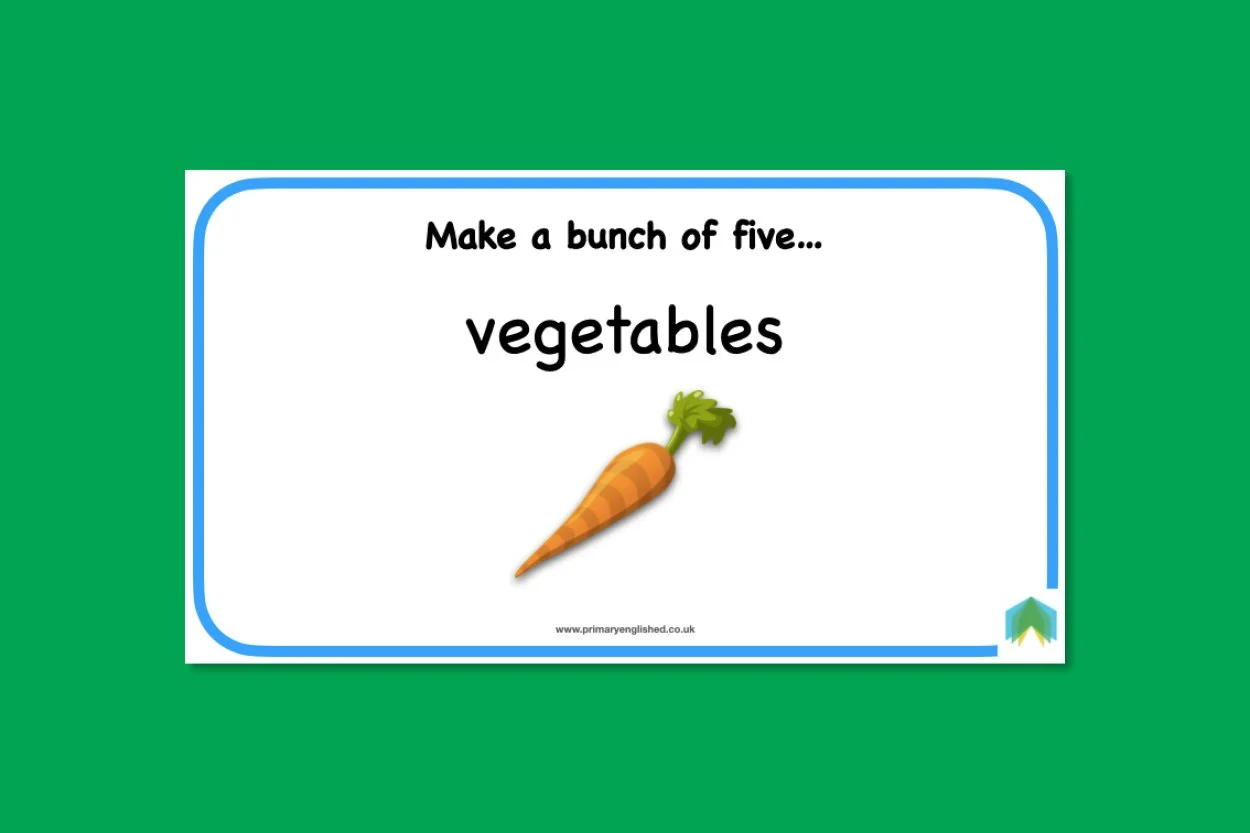
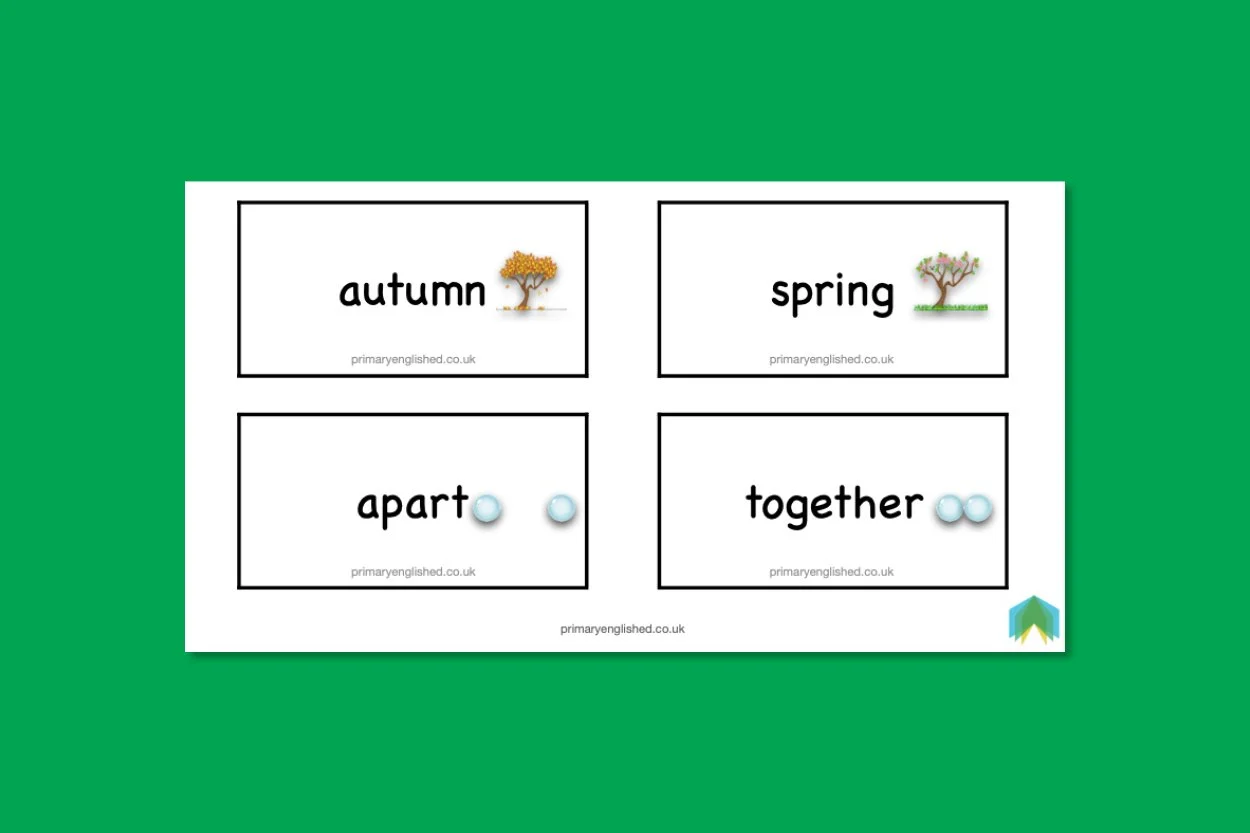
We recently dug into our archived resources and brought out our Talking About Talk directory which takes a range of technical oracy terminology and puts it into plain English. Additionally, for teachers looking to explore how to teach aspects of language such as making semantic links or exploring antonyms, we have resources to help in the form of Bunches of Five and Opposite Pairs. Click below to find out more.
Words, words, words
Vocabulary is an essential oracy skill. Ensuring that vocabulary teaching is more than finding definitions in a dictionary and using the new words to write sentences is something we’ve striven to address at Primary English. Visit our Vocabulary One Stop Shop post below which links to multiple articles and resources about vocabulary teaching.
Oracy is not new. It’s been a key part of primary English teaching for many years but we know that when the renewed curriculum arrives, teachers will want to be on top of their game. We hope we’ve been able to set you on your way in this short post.